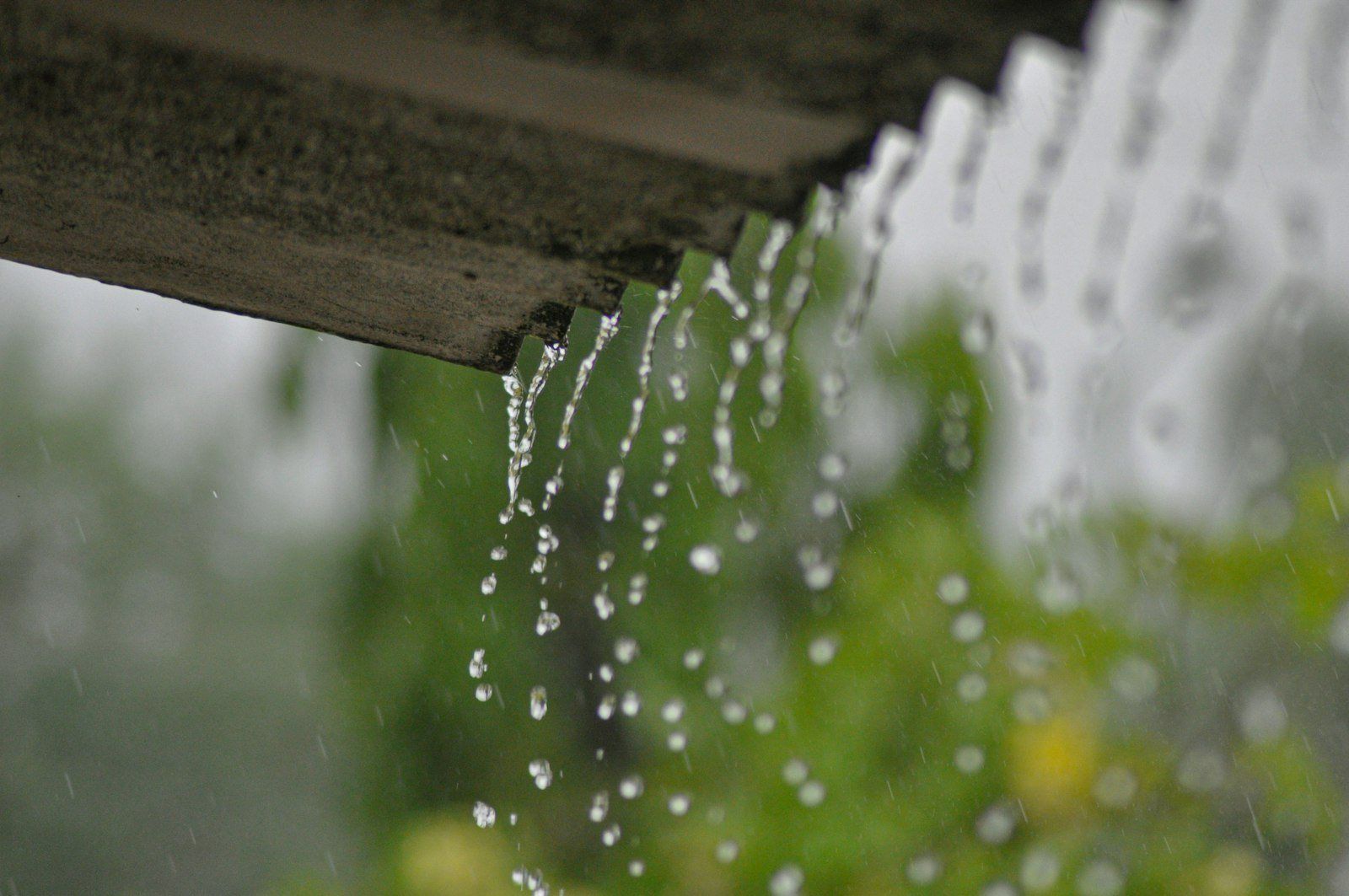
After the storm passes
Storm damage usually means more than one problem at once. A typical crew will:
- Tarp or board up openings in the roof, walls or windows to keep more rain out, if they offer that service.
- Remove water from ceilings, attics, walls and floors.
- Pull wet insulation and ceiling drywall that is sagging or holding water.
- Dry the structure and document the damage with photos and moisture readings for your claim.
Tree removal and roof replacement are usually separate trades. The restoration company handles the water, and many can recommend roofers and tree services they work with.
Stay safe first
- Stay out of rooms where the ceiling is sagging. A ceiling holding water can come down all at once.
- Keep clear of downed power lines, and assume any line touching a tree or fence is live.
- If water is near outlets or the breaker panel, keep out of it and tell the crew when you call.
- Watch for carbon monoxide if you are running a generator. Keep it outside and away from windows.
How storms hit Gainesville homes
Gainesville gets severe thunderstorms from spring into fall, along with the remnants of tropical systems that move up from the Gulf. Strong winds bring down big oaks and pines on houses, and heavy rain finds every weak spot in a roof, chimney flashing or window.
The rain alone can do it. On July 24, 2026, close to seven inches fell on Hall County in one storm, and roads flooded across Gainesville, Oakwood and Flowery Branch, from E.E. Butler Parkway at Green Street to the Atlanta Highway. Gutters overflowed, crawl spaces filled, and low garages and basements took on water.
Tropical systems bring wind on top of rain. When Hurricane Helene came through in September 2024, about 8,700 Hall County customers were without power by midday on September 27, even though the storm veered east and hit the county less hard than forecasters expected. Long outages matter for water damage: sump pumps stop, and the house cannot be dried until power comes back.
The city's history with storms runs deep. Tornadoes struck Gainesville in 1903 and again in 1936, when the city lost 203 people. Most storms now are far smaller, but wind and falling trees still open roofs in neighborhoods all over town, from Riverside and Thompson Bridge Road to Chicopee and Southeast Gainesville.
When you call, tell the company whether the roof is open, whether a tree is still on the house, and which rooms are wet. That helps them send the right people.