What a crew does under the house
Crawl space jobs are slow, dirty work in a tight space, and most homeowners should not try them alone. A typical crew will:
- Pump out standing water and find out where it came from: a plumbing leak, a failed water heater, rain coming in, or groundwater.
- Pull down wet insulation and remove a torn or flooded vapor barrier.
- Check joists, beams and subfloor with moisture meters.
- Dry the space with dehumidifiers and air movers, and treat any mold that has started on the wood.
- Talk with you about what keeps it from happening again, such as a new vapor barrier, grading or gutter changes.
If you have a basement instead of a crawl space, the work looks similar: pump, pull what is wet, dry and treat.
Why mold shows up so fast here
Mold needs moisture, warmth and something to feed on. A Gainesville crawl space in summer has all three. Wet wood and paper-faced insulation can start growing mold within a couple of days once the air under the house stays humid.
Signs to watch for:
- A musty or earthy smell inside the house, especially near floor vents.
- Floors that feel soft or bouncy, or hardwood that starts to cup.
- Insulation sagging or lying on the ground under the house.
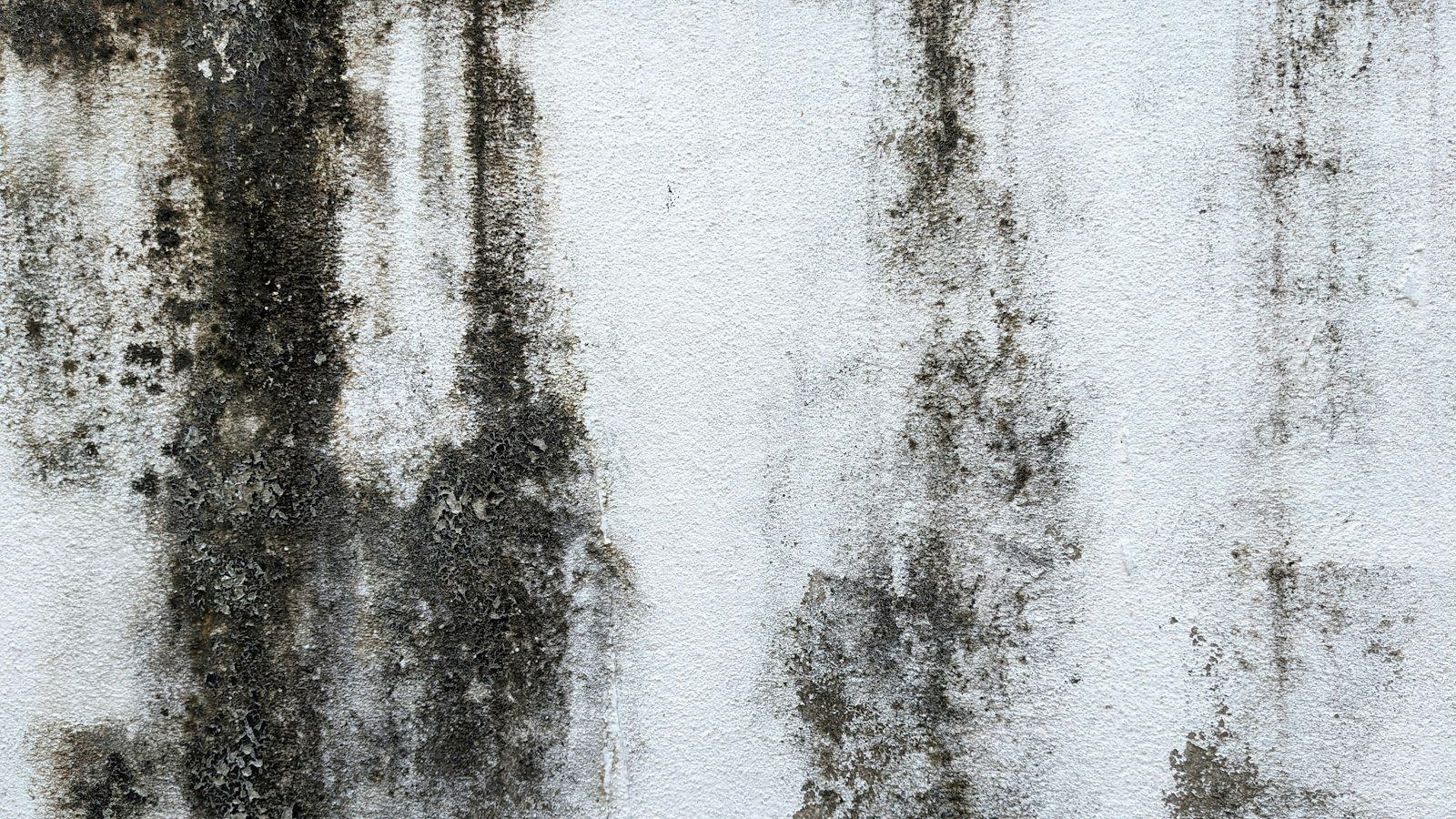
- White, gray or black growth on joists and the underside of the subfloor.
- Higher humidity indoors even with the air conditioning running.
Crawl spaces, red clay and Georgia humidity
A lot of Gainesville homes sit on crawl spaces, from the older houses around Green Street and Riverside to many subdivisions built in the 1970s through the 1990s. Homes built on the hills near Lake Lanier often have basements or walkout lower levels on the downhill side.
The soil here is a big part of the problem. North Georgia's red clay holds water and drains slowly. After a long rain, the clay around the foundation stays soaked, and water can seep into the crawl space or through basement walls for days. If the downspouts empty right next to the house, or the yard slopes toward it, the crawl space becomes the low spot where all that water collects. You can see how much clay is under the area along the Lake Lanier shoreline, where the banks turn bright red when the water drops.
Then comes summer. Warm, humid air flows into vented crawl spaces and condenses on cooler ductwork and pipes. That moisture drips onto insulation and wood and keeps them damp all season. Add a slow plumbing leak or a water heater that let go, and mold has everything it needs.
The fix starts with getting the water out and drying the wood. After that, the company you talk to can tell you what would keep the space dry, from a heavier vapor barrier to moving downspouts away from the foundation. Crews cover every Gainesville ZIP code and the rest of Hall County.