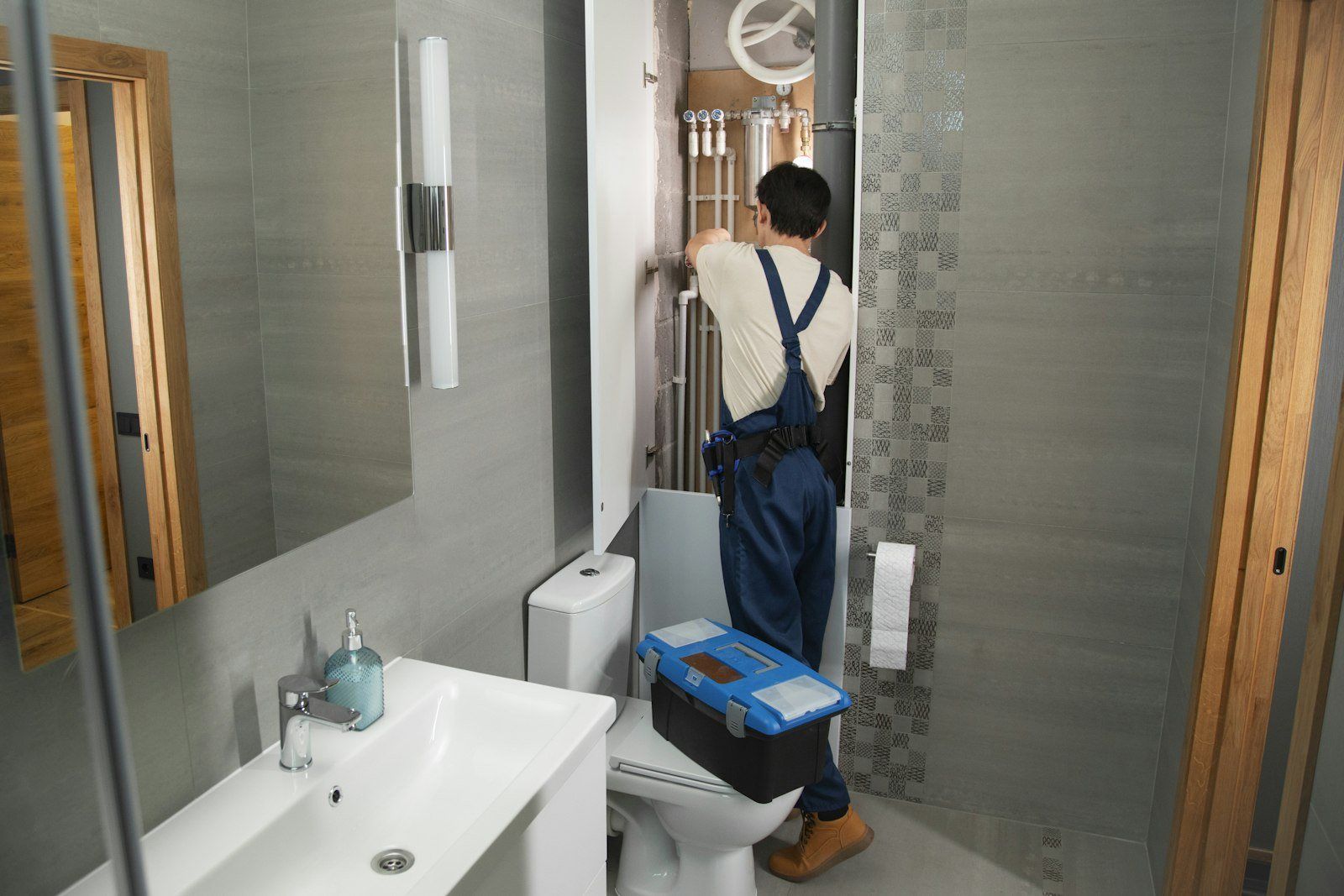
Why sewage is a different job
Sewage carries bacteria and viruses that can make people sick. Crews treat it as contaminated water, which changes the work:
- They wear protective gear and keep the area closed off from the rest of the house.
- They pump out the sewage and remove anything porous it touched, such as carpet, pad, drywall near the floor and insulation.
- They clean and disinfect hard surfaces, then dry the structure.
- They bag and haul out contaminated material.
Keep kids and pets away from the area, and do not run fans that blow air from the wet room into the rest of the house.
Common causes
- Grease, wipes or roots clogging the line between the house and the street.
- An older clay or cast iron sewer line that has cracked or sagged.
- Heavy rain overloading the system and pushing water back up floor drains.
- A septic tank that is full or a drain field that is saturated, common in parts of Hall County outside city sewer.
A plumber clears or repairs the line. The restoration company cleans up the mess and dries the house.
Sewer and septic backups around Gainesville
Inside the city, most Gainesville homes are on the municipal sewer system. Older neighborhoods near downtown, Green Street, Midtown and New Holland can still have original clay or cast iron lines from the house to the street. Tree roots get into the joints, the pipe sags, and one day the toilet or tub drain backs up.
Out in the county, a lot of homes run on septic. North Georgia's red clay drains slowly, so after a long stretch of rain, a drain field can saturate and the system has nowhere to send water. The first sign is often a slow drain or a gurgling toilet, then sewage in the lowest fixture in the house. Lake homes and houses with basement bathrooms tend to see it first because those fixtures sit lowest.
Big storms add pressure on both. When several inches of rain fall in a few hours, as happened across Hall County on July 24, 2026, storm water can work its way into sewer lines and septic tanks and push back up through floor drains.
If sewage has backed up, stop running water anywhere in the house, including the washer and dishwasher, so you do not add to it. Keep people away from the wet area. Then call. Crews cover Gainesville's 30501, 30504, 30506 and 30507 ZIP codes and the rest of Hall County, including homes on septic.